
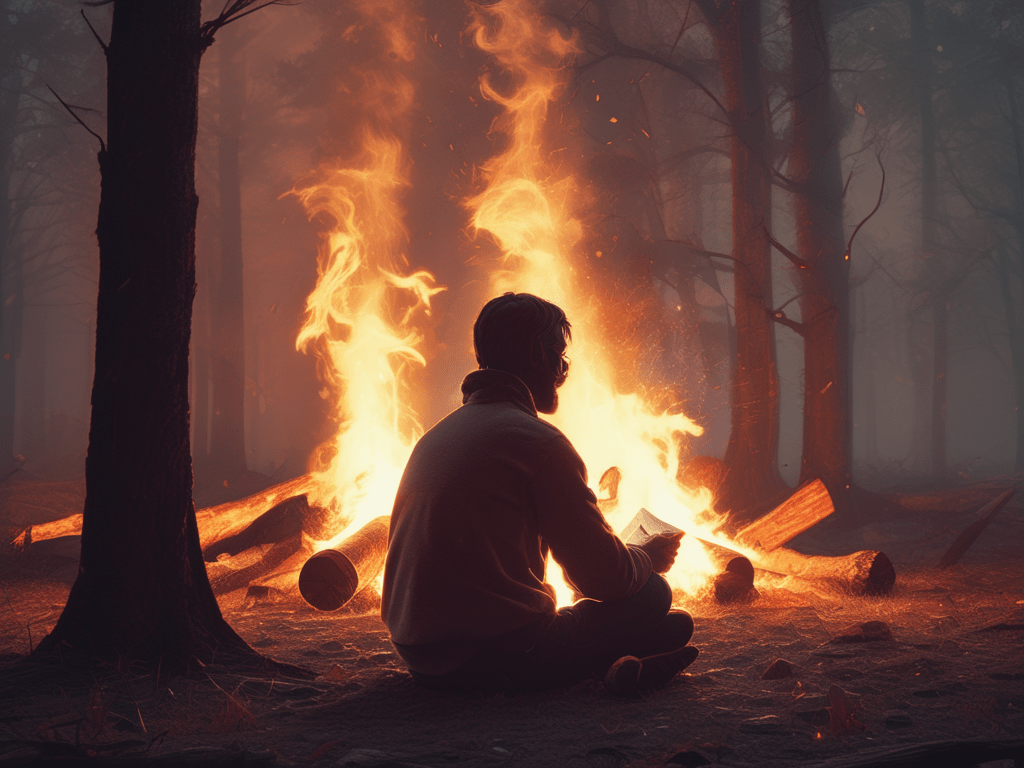
For some time now, I’ve been reflecting on the meaning of fire—not just as a physical element but as a symbol of rage, anger, and even motivation. What is it about fire that connects so deeply with our lives? Last week, as I hiked the upper Yosemite Falls in the peak of summer, these thoughts kept surfacing. Perhaps it was the intense heat, the burning determination to complete the strenuous 3,000-foot elevation climb. But this reflection went beyond the physical fire; it was about understanding what fire represents in our lives.
At the meta level, the most obvious source of fire is the sun. It’s our planet’s primary provider of low-entropy energy. The Earth absorbs this energy, transforming it into high-entropy forms through life-sustaining processes before releasing it back into the universe. The sun’s fire brings warmth and energy into our lives, literally fueling our existence.
Moving closer to our surroundings, we can find sources of fire in our daily environments, like the sauna. Living in San Francisco, where sunlight can be scarce due to fog, the sauna has become a place where I can reignite that inner fire. Spending at least 20 minutes in the sauna 3-4 days a week has become a ritual. As my body heats up, my mind finds calm, and my muscles recover after a workout. It’s an exhilarating experience that rekindles my energy, bringing the warmth back into my routine.
At an even deeper level, fire exists within us—specifically in our gut. The acid in our digestive system breaks down food and converts it into the nutrients our bodies need to function every day. We all know the importance of maintaining a healthy gut; when we don’t, it’s like the fire inside us flickers and dims, leaving us feeling sluggish and unwell. Also interestingly, i discovered that the Tibetan monks harness this inner fire through “g-tummo,” an ancient technique combining breath control, visualization, and muscle control to raise their core body temperature. This practice enables them to meditate in sub-freezing temperatures without feeling cold, demonstrating the profound power of the human body and mind.
Lastly, at the deepest level, fire is a powerful metaphor for the emotions that have fueled me throughout my life—especially rage and anger. These emotions, like fire, can either consume you or be channeled productively. Growing up, I witnessed firsthand how anger could be destructive. My father often expressed his frustration through anger, lashing out at my mother, sister, and me. His anger was his way of communicating his feelings, but it was like holding a piece of molten rock, expecting others to get burned, only to end up scorching himself in the process.
As I grew older, I found myself mirroring that behavior. I would lose control and lash out, just as my father did. It wasn’t until much later that I realized how detrimental this was—not just to those around me but to myself. I learned that holding onto that fire without direction only leads to chaos and harm. It became clear that if I didn’t find a way to channel this fire, it would consume me.
So, I made a conscious decision to channel my anger and rage towards positive outcomes. Instead of letting it control me, I used it to fuel my discipline to grow. Running, hiking, meditating, eating healthy, giving up alcohol, and getting enough sleep have all been ways I’ve learned to harness this fire. This disciplined approach has allowed me to use my energy for good—improving not only my life but also the lives of those around me.
To summarize, Fire is all around us; it’s up to us whether we let it consume us or use it to bring warmth and light to those we love.



 Jasmeet Notes
Leave a comment